Science Holidays
Incorporate science-y fun throughout the year with this collection of scientific holidays to celebrate!
Galileo Day – February 15th
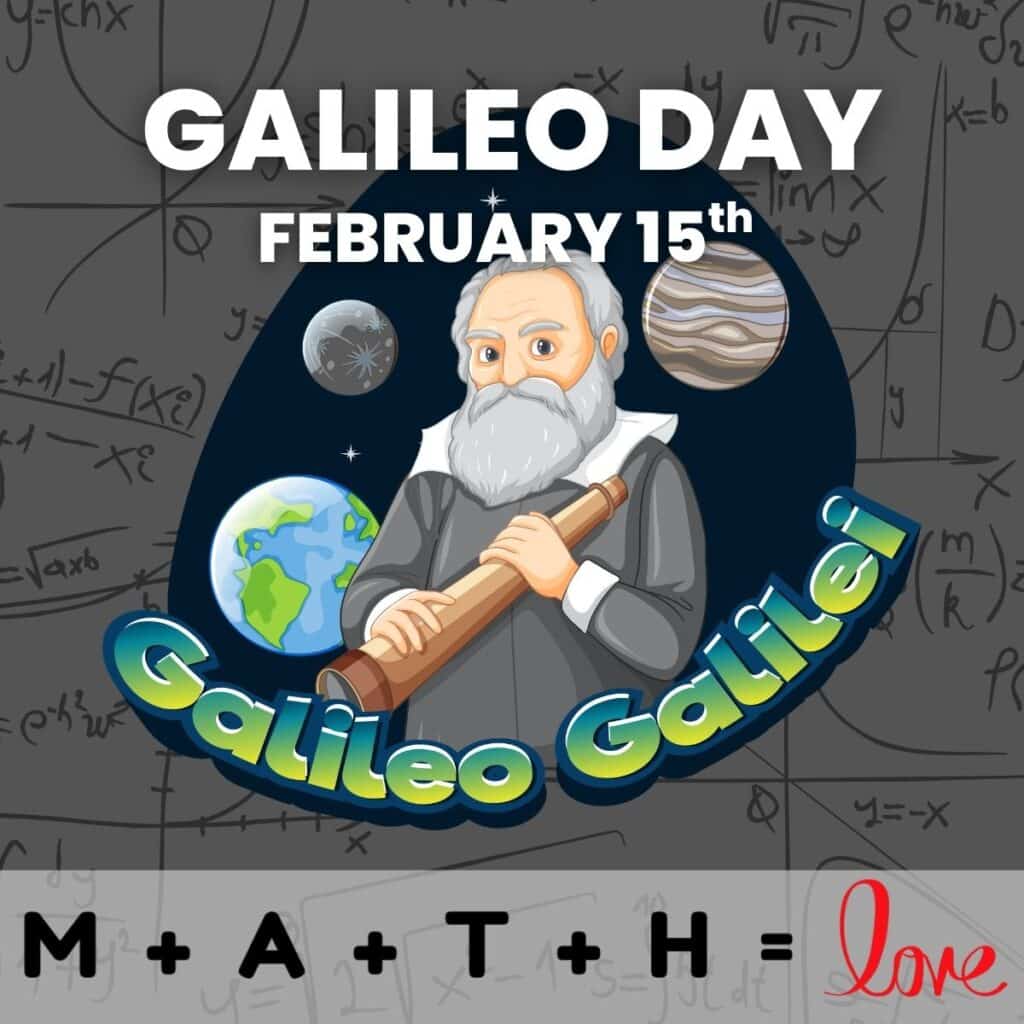
Galileo Day is celebrated on February 15, the birthday of Galileo Galilei.
Galileo Day honors his groundbreaking contributions to astronomy, physics, and the scientific method, making it a great opportunity for teachers to highlight observation, experimentation, and the importance of evidence-based thinking in science classrooms.
Earth Day – April 22nd
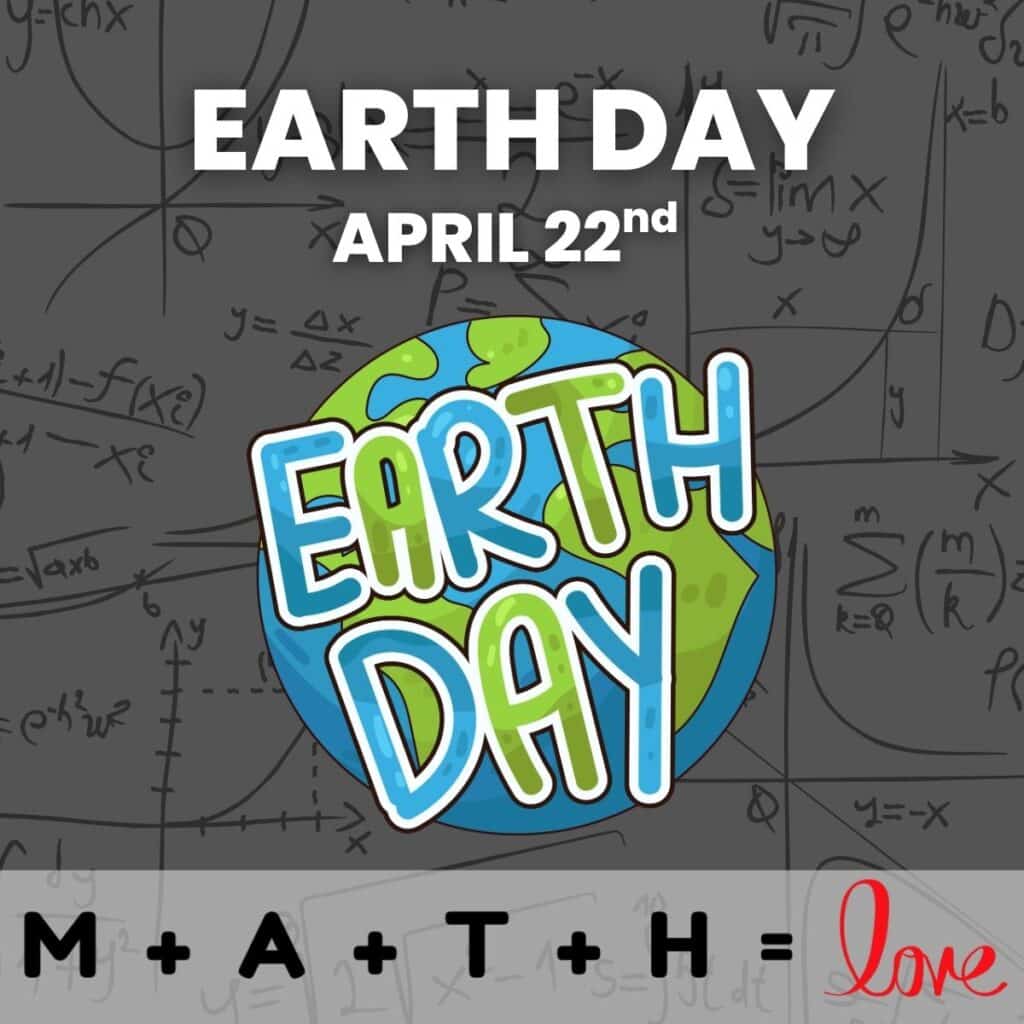
Earth Day is celebrated annually on April 22.
Earth Day honors environmental protection and sustainability, giving teachers a meaningful opportunity to explore topics like conservation, ecosystems, climate science, and responsible stewardship of our planet through cross-curricular activities.
Arbor Day – April 24, 2026
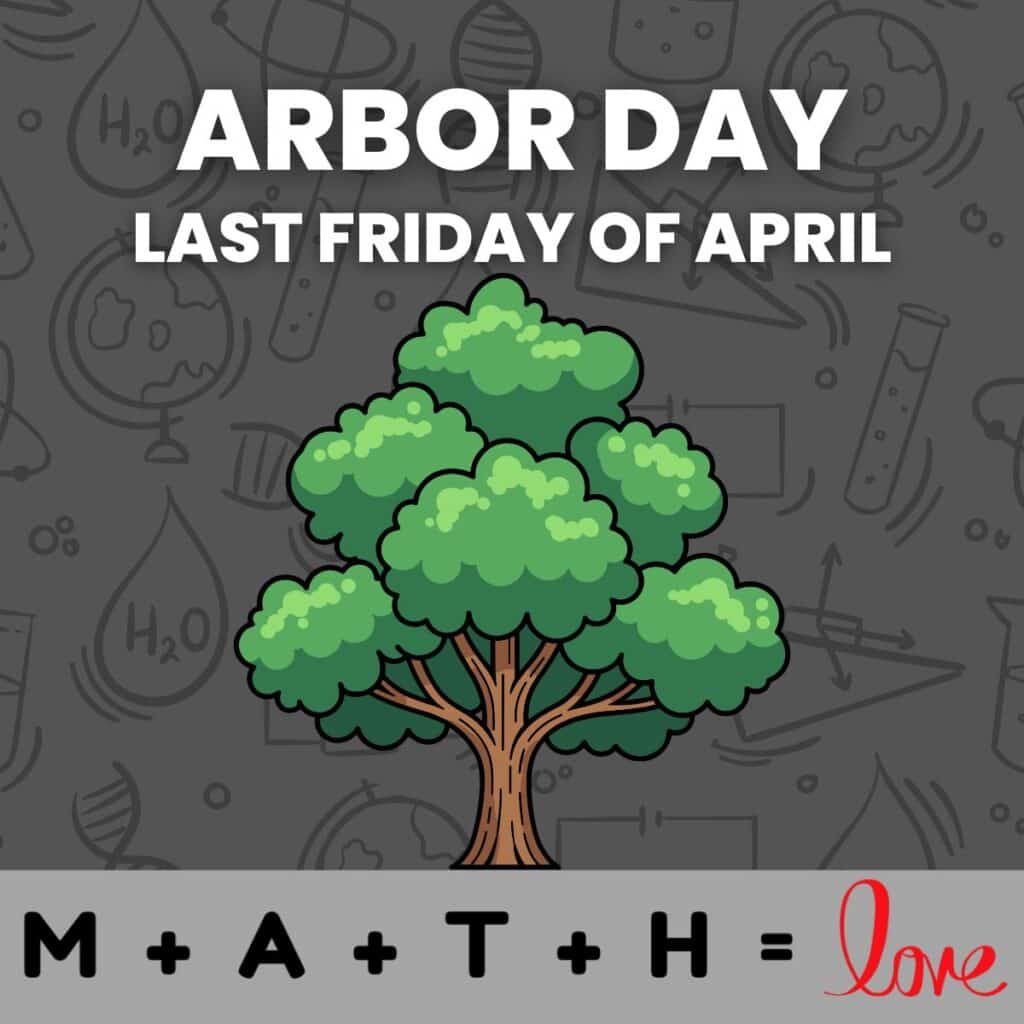
Arbor Day is celebrated on the last Friday in April in the United States, though dates may vary by state.
Arbor Day honors the importance of trees and environmental stewardship, giving teachers a natural opportunity to explore plant science, ecosystems, conservation, and hands-on outdoor learning activities.
Here are just a few of my ideas for celebrating Arbor Day in the classroom.

DNA Day – April 25th
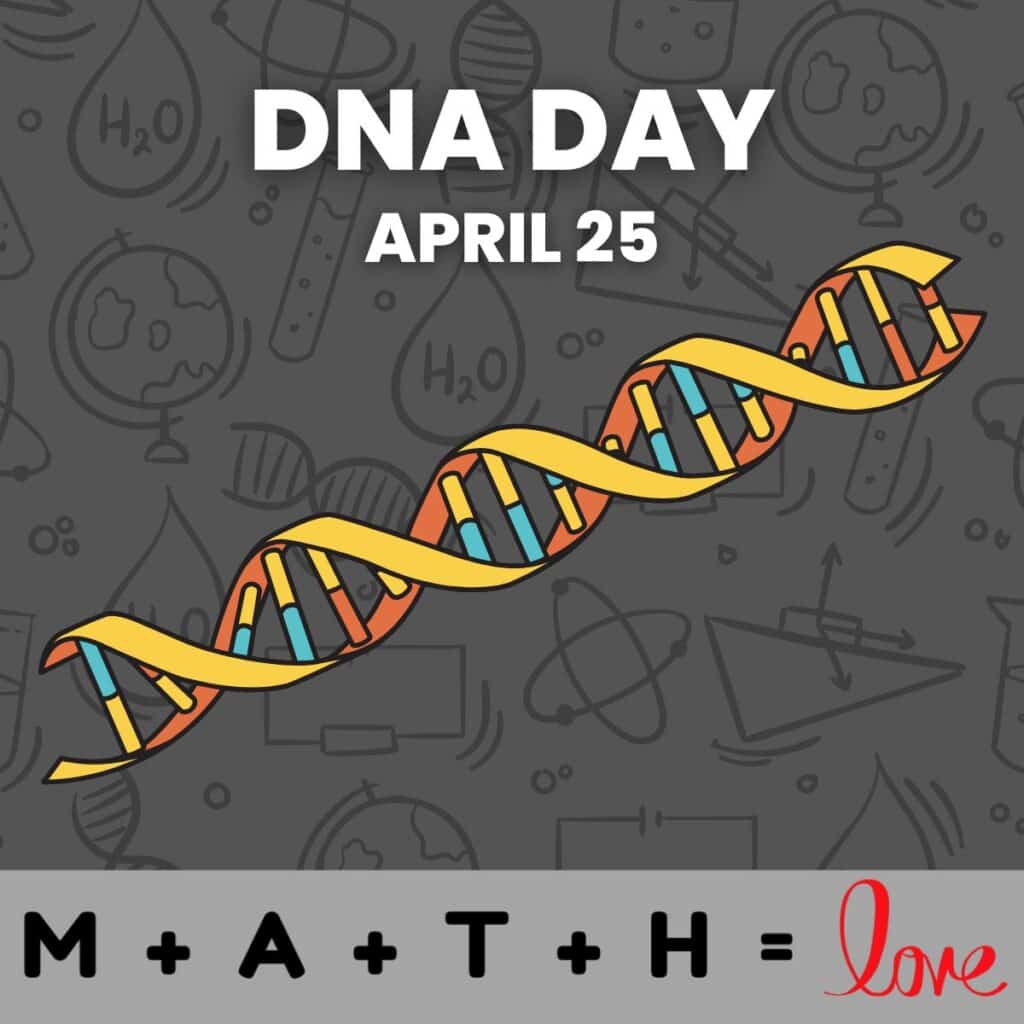
DNA Day is celebrated on April 25.
DNA Day honors the discovery of the double-helix structure of DNA by James Watson and Francis Crick in 1953, as well as the completion of the Human Genome Project in 2003, making it a meaningful day for teachers to explore genetics, heredity, and modern biotechnology in the classroom.
Metric Day – October 10th
Metric Day is celebrated on October 10 (10/10), a nod to the base-10 structure of the metric system.
Metric Day honors the metric system of measurement and gives teachers a perfect chance to reinforce unit conversions, prefixes, and real-world measurement skills in a hands-on way.
Here are just a few of my ideas for celebrating Metric Day in the classroom:
Mole Day – October 23rd
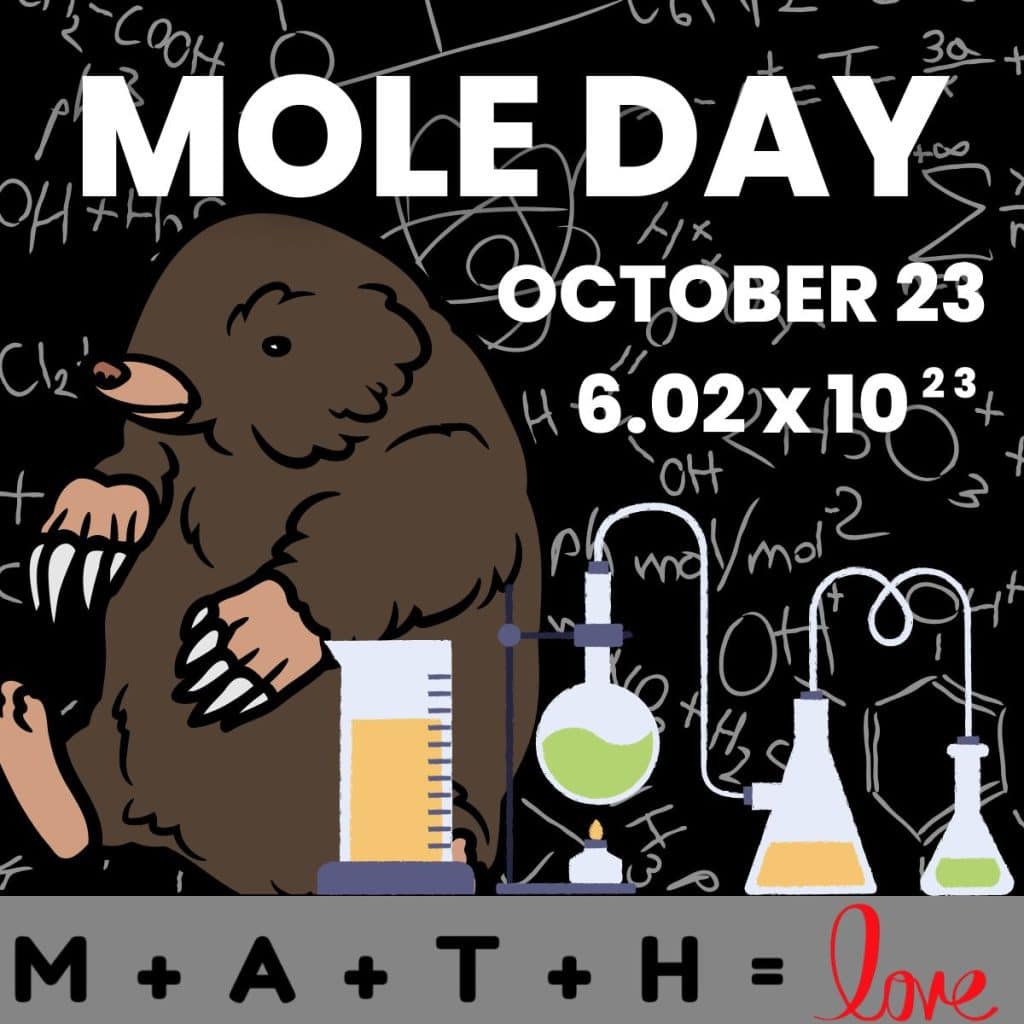
Mole Day is celebrated on October 23 from 6:02 a.m. to 6:02 p.m., reflecting Avogadro’s number, 6.02×10^23.
Mole Day honors the mole as a fundamental unit in chemistry and is a fun way for teachers to connect math skills like scientific notation and powers of ten to real-world science concepts.